Space Exploration

Galactic Theoretical Physics

Posted on:

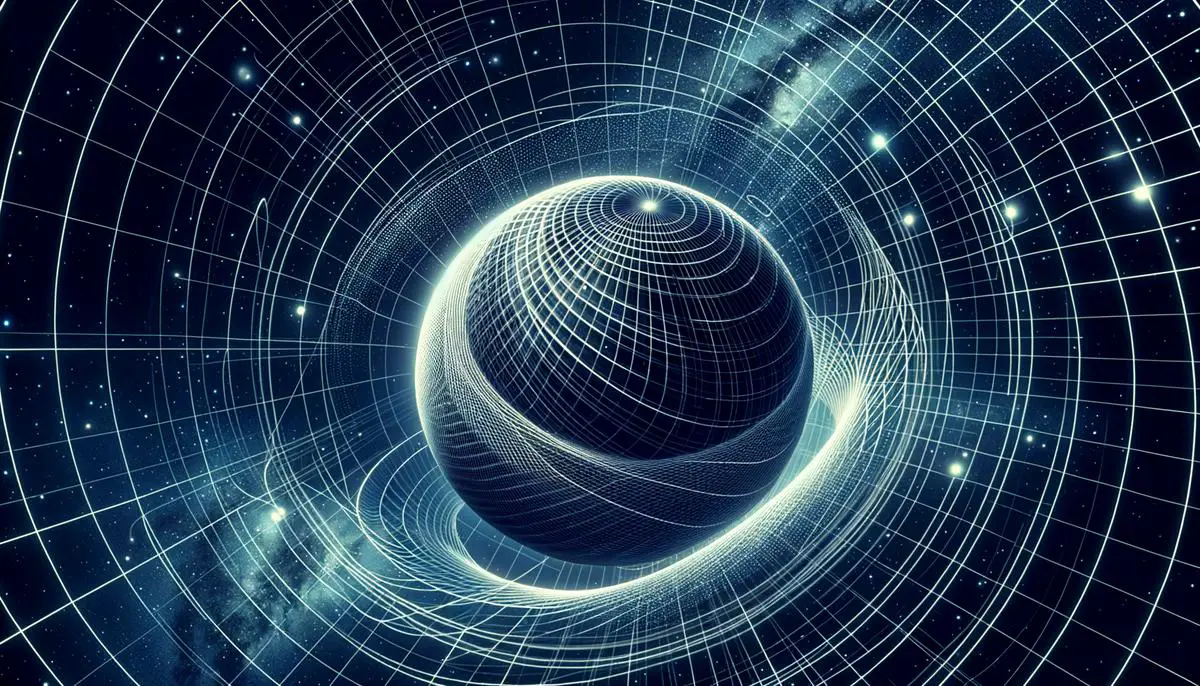
Einstein's Cosmological Constant Einstein introduced the cosmological constant in 1917 to maintain a static universe in his equations. It acted as a counterforce to gravity, preventing universal collapse. However, when the expanding universe was discovered, Einstein considered it a mistake. Interestingly, the concept has found new relevance in modern cosmology. […]

Loading

Moon

Full Moon Ritual July 2025

Posted on:

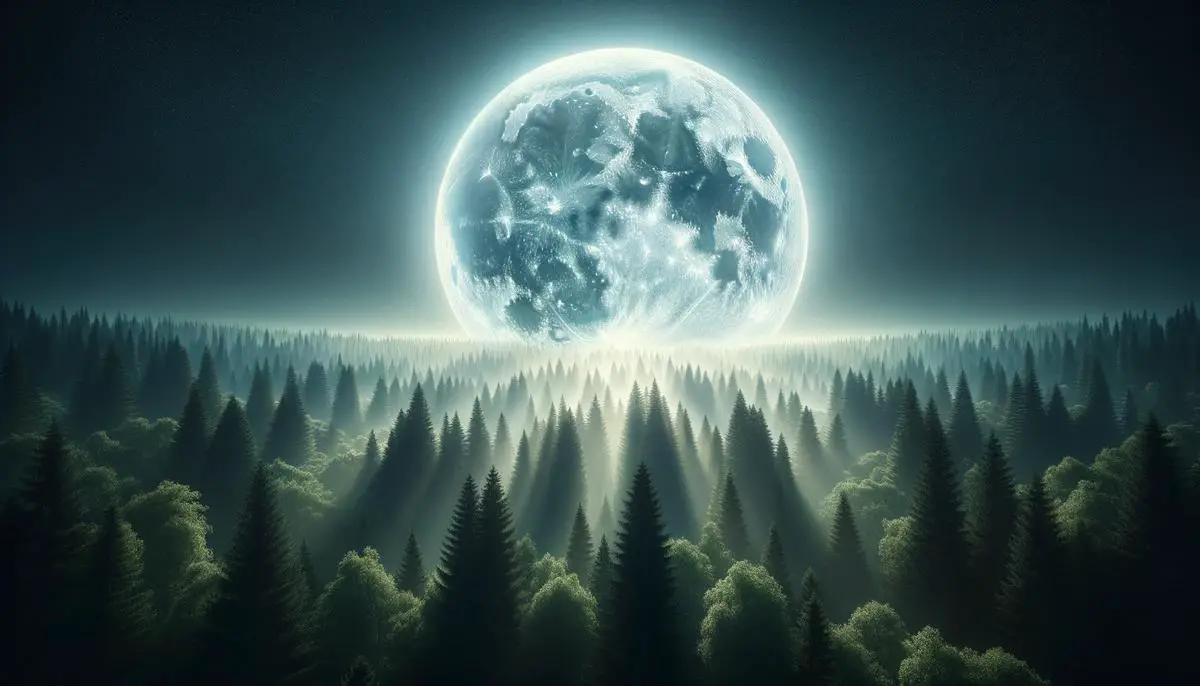
Grounding Meditation Find a comfortable spot under the July 2025 Buck Moon, either in your backyard or a nearby park. Close your eyes and take deep, relaxing breaths. Imagine roots sprouting from your feet, pushing down through the earth, making you feel grounded and connected. Picture these roots reaching deeper […]

Loading

Galaxy

Galaxy Gravity and Space-Time

Posted on:

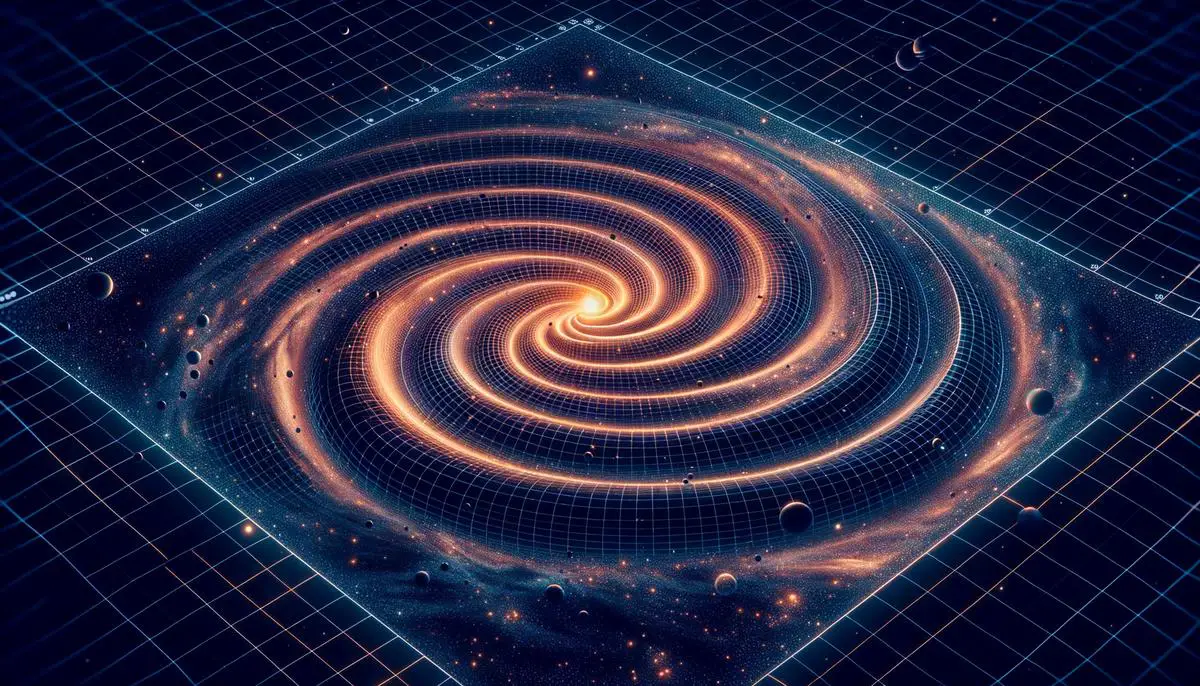
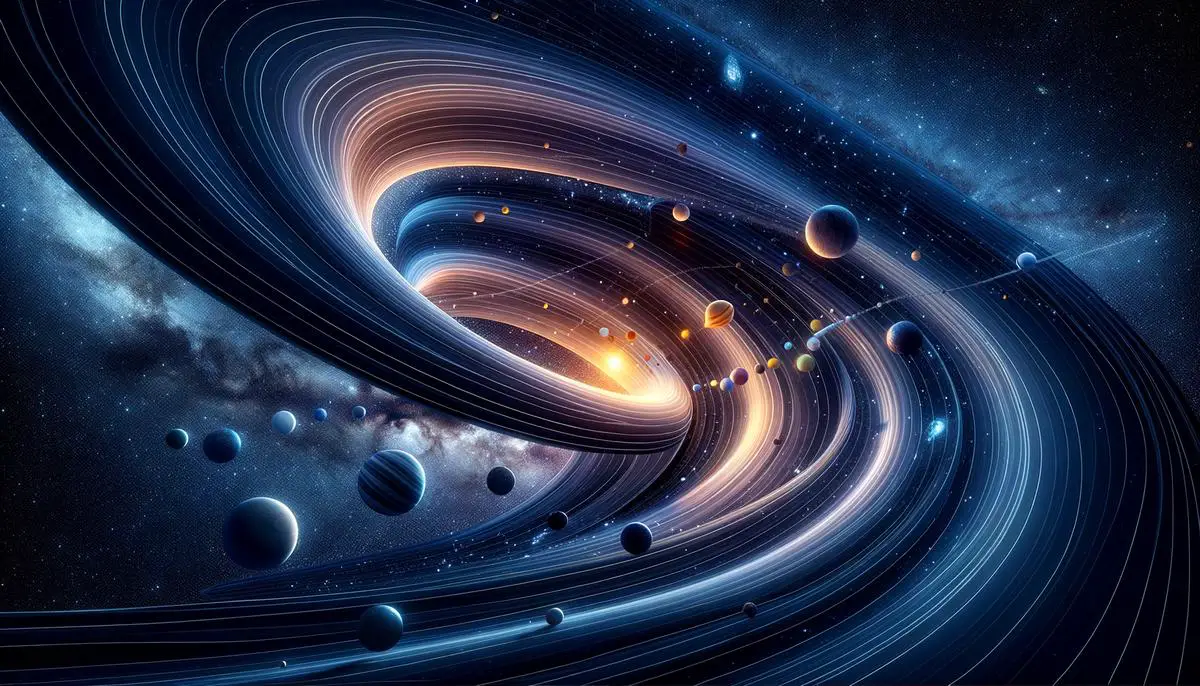
General Relativity and Space-Time Einstein's theory of general relativity reveals gravity as the curvature of space-time. Massive objects like galaxies warp space-time, creating gravity wells that guide the paths of light and celestial bodies. This four-dimensional continuum of space and time explains how gravity influences the movement of objects through […]

Loading

Space Exploration

Einstein’s Galaxy Gravity Insights

Posted on:

General Relativity and Its Predictive Power Einstein's theory of general relativity fundamentally changed our understanding of gravity and spacetime. Published in 1915, it explains how massive objects warp the fabric of spacetime. The theory successfully predicted phenomena like black holes and gravitational waves, which were later observed and validated. Black […]

Loading

Space Exploration

Galaxies Bending Light

Posted on:

The Basics of Gravitational Lensing Gravitational lensing is a cosmic phenomenon where massive celestial bodies bend light from distant objects. This effect, predicted by Einstein's theory of general relativity in 1915, occurs when spacetime curves around massive objects like galaxies or galaxy clusters. As light from distant stars or galaxies […]

Loading

Stars

Why Does the Sun Look Yellow?

Posted on:

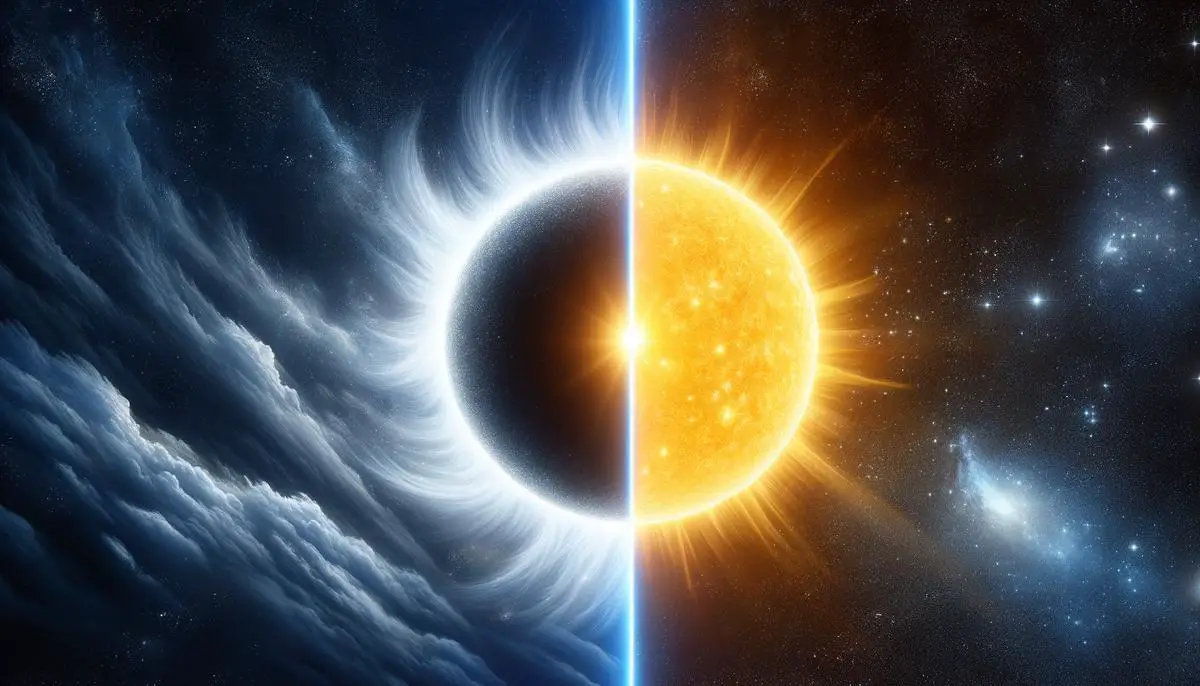
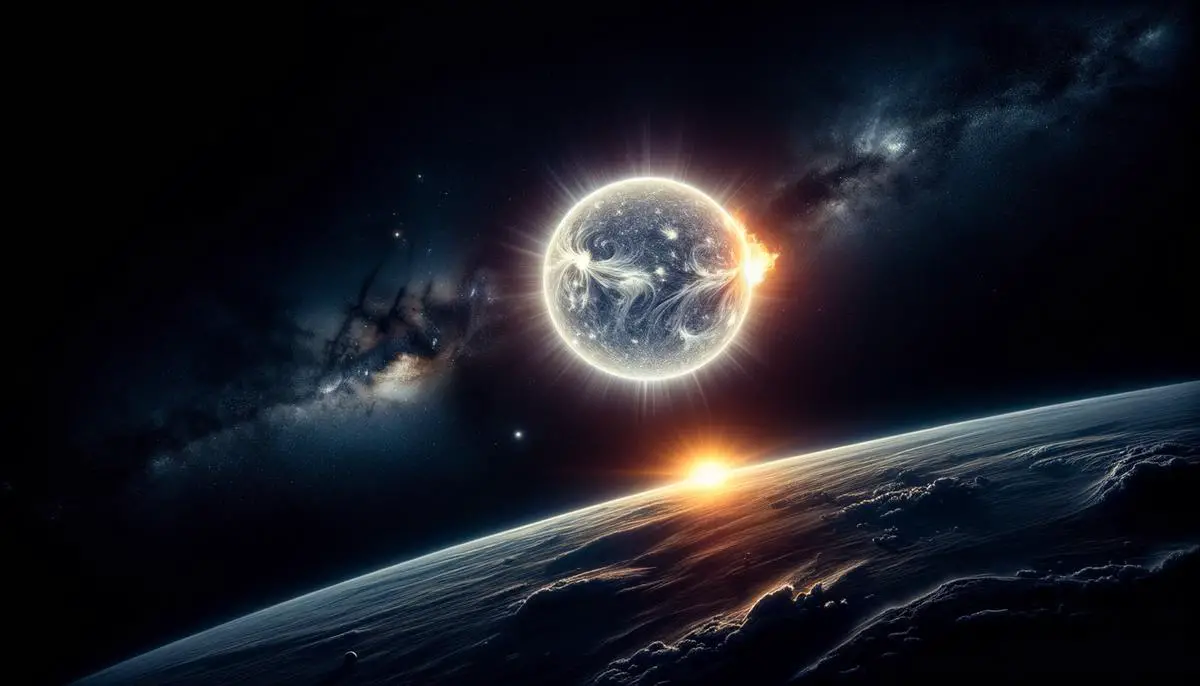
Sun's True Color In space, the Sun appears as a bright white ball, emitting light in all colors of the rainbow. When combined, these hues create white light, making the Sun appear white to astronauts with an unobstructed view. Human eyes are equipped with color receptors that detect these balanced […]

Loading

Stars

Sun’s True Color Explained

Posted on:

Sun's Light Spectrum The sun in space isn't the yellow ball we often imagine. Above Earth's atmosphere, it shines as a blinding white orb. This phenomenon is rooted in the science of light and color. Sunlight is a mixture of all colors in the visible spectrum. When these colors blend, […]

Loading

Space Exploration

Space-Time Distortion in Astrophysics

Posted on:

General Relativity and Space-Time Albert Einstein's theory of general relativity, introduced over a century ago, suggests that gravity is not merely a force but a curvature in space-time. Picture a bowling ball placed on a trampoline — that's a massive object creating a warp in the fabric of space-time itself. […]

Loading

Galaxy

Galaxy Formation & Relativity

Posted on:

The Role of Dark Matter in Galaxy Formation Dark matter, invisible to typical observation, plays a crucial role in galaxy formation. It creates gravitational wells that draw in ordinary matter, shaping the structure of galaxies. The cold dark matter model explains how these gravitational ties built cosmic structures. As the […]

Loading

Space Exploration

Understanding Space-Time Bending

Posted on:

The Nature of Space-Time Space-time can be visualized as a cosmic fabric. Massive objects like planets or stars create depressions in this fabric, much like a heavy ball on a trampoline. This fundamental concept shapes how celestial bodies move through the universe. We exist in four dimensions: three of space […]

Loading