Sun's Light Spectrum
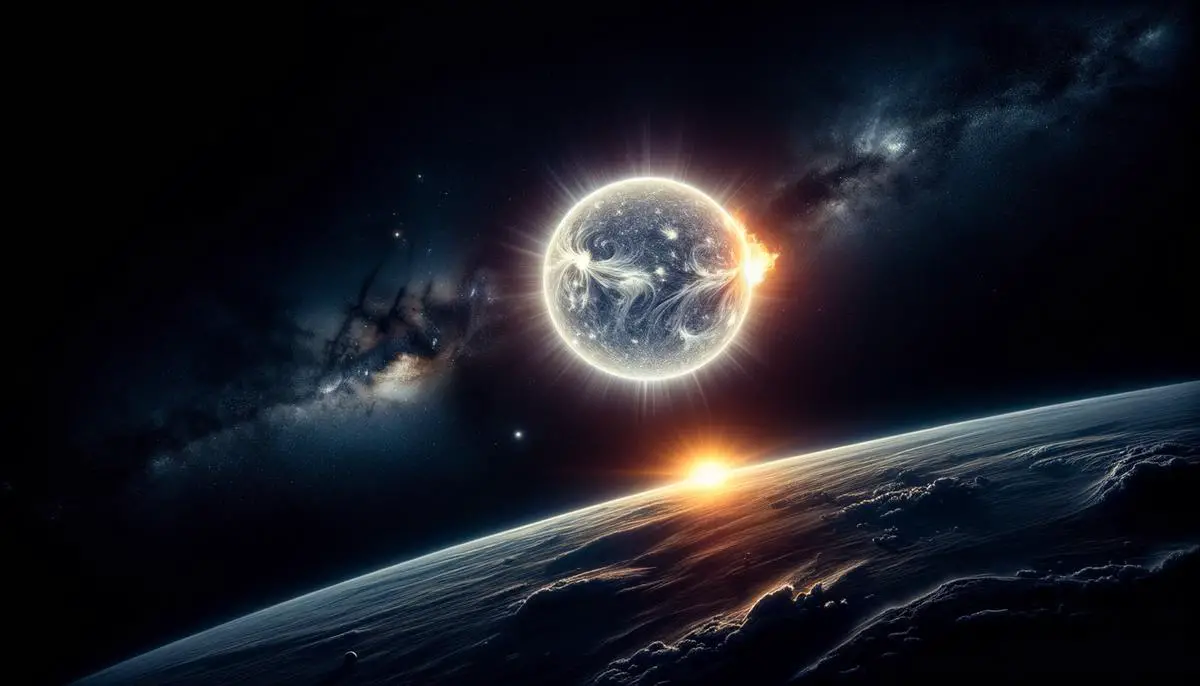
The sun in space isn't the yellow ball we often imagine. Above Earth's atmosphere, it shines as a blinding white orb. This phenomenon is rooted in the science of light and color.
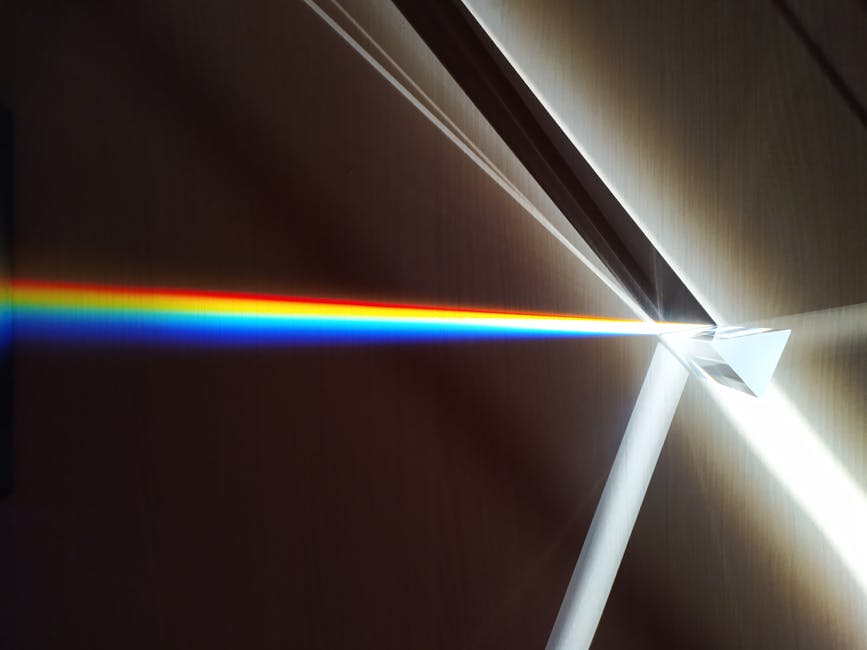
Sunlight is a mixture of all colors in the visible spectrum. When these colors blend, they create what we perceive as white. A prism demonstrates this by breaking sunlight into a rainbow, revealing its composition of red, orange, yellow, green, blue, indigo, and violet.
Earth's atmosphere alters our perception. It scatters shorter wavelengths – mainly blue and violet – in all directions, making the sky appear blue and the sun yellow. Without atmospheric interference, we'd see the sun's pure, unfiltered white light.
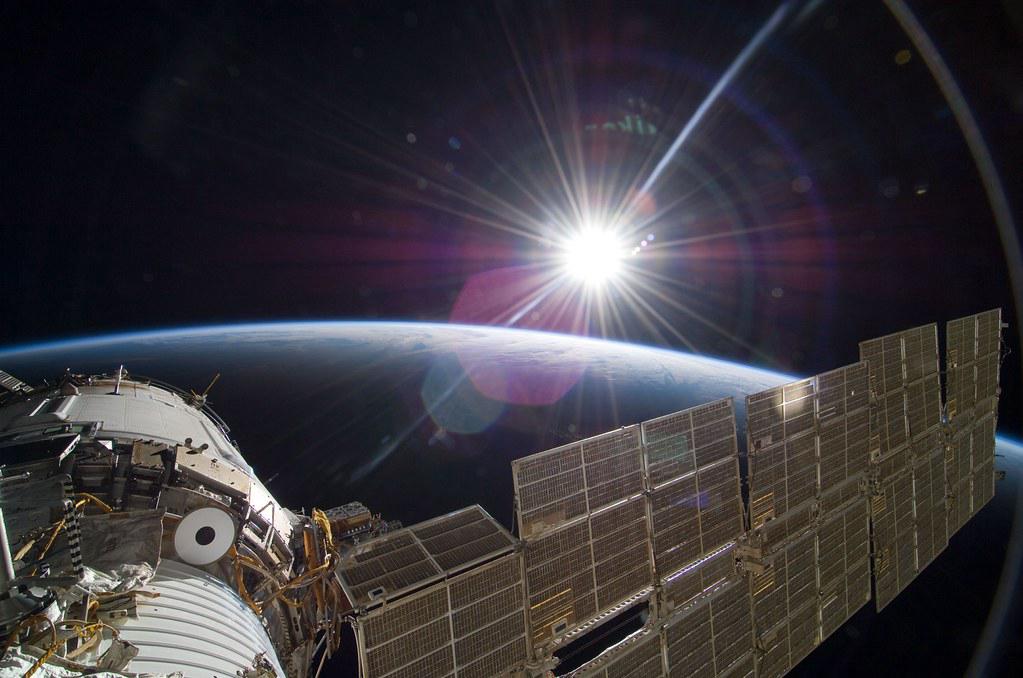
Astronauts in space stations observe this firsthand, seeing the sun as intense white light against the black of space. The sun, classified as a G2 V star, emits light across the entire visible spectrum. Its "yellow dwarf" label refers to its surface temperature of about 5,800 Kelvin, not its color.
Our sun steadily emits all colors fairly evenly, reinforcing its true white appearance from an extraterrestrial viewpoint.
Atmospheric Influence
Earth's atmosphere significantly influences our perception of the sun's color through Rayleigh scattering. This phenomenon causes atmospheric particles to scatter shorter wavelengths of light, particularly blue and violet, in all directions, creating our blue sky.
As blue components diffuse across the sky, the light reaching us directly becomes enriched with longer wavelengths—red, orange, and yellow. This explains the sun's yellowish appearance, especially when overhead near noon.
During sunrise and sunset, sunlight travels through more atmosphere, scattering blue and violet wavelengths almost entirely. This leaves the richer reds and oranges, creating stunning celestial displays.
Despite these visual changes, the sun's intrinsic color remains constant. From space, Earth's star continues to emit its familiar blend of every visible color, resulting in pure white light.

Sun's Visual Perception in Space
In space, far from Earth's atmospheric effects, the sun reveals its true nature. Astronauts aboard the International Space Station (ISS) see it not as the familiar yellow orb, but as a brilliant white light source against the black backdrop of space.
This unfiltered view, free from atmospheric scattering, provides a stark contrast to our terrestrial perspective. The absence of air and dust that typically shape our view on Earth allows the sun's complete spectrum to shine through unaltered.
For ISS inhabitants, this celestial spectacle reinforces how Earth's atmosphere acts as a dynamic lens, influencing our perception of cosmic phenomena. It invites contemplation on the profound influence of environmental conditions on our visual experiences and understanding of the universe.
Future Color Changes of the Sun
The sun's current white radiance is just one phase in its billion-year evolution. As a G2 V star midway through its main sequence, our sun will undergo significant transformations in the future.
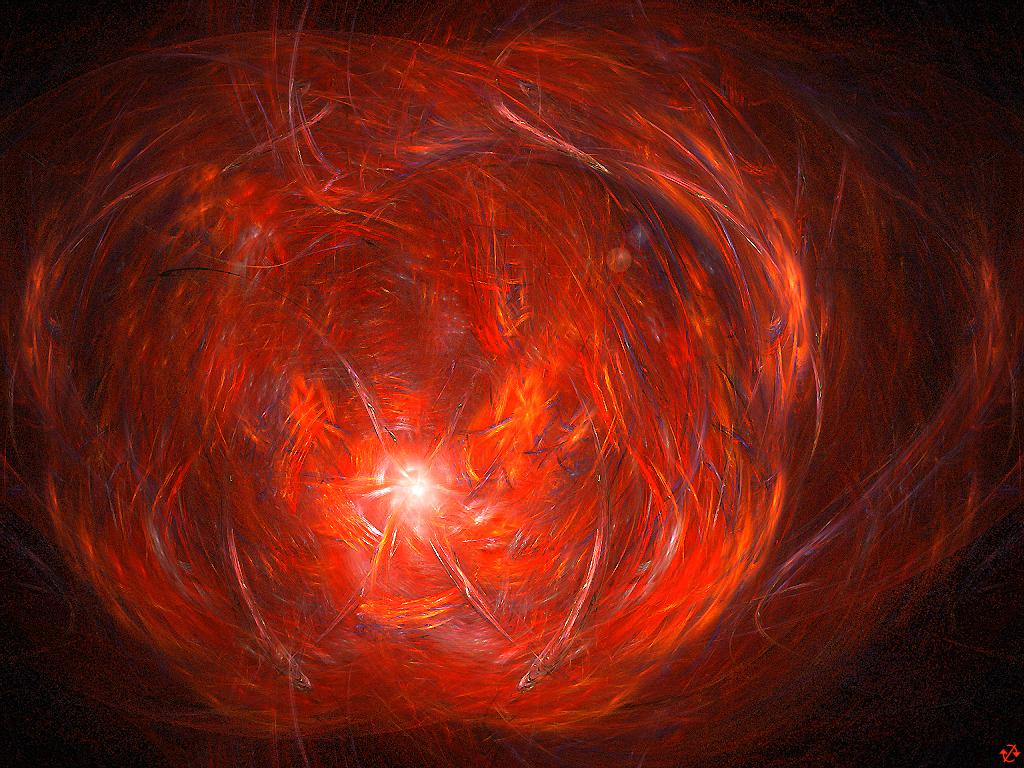
In about 5 billion years, as core hydrogen depletes, the sun will expand into a red giant. Its surface temperature will cool, shifting its visible light towards the red spectrum. This expansion may engulf the inner planets, potentially reaching Earth's orbit.
Eventually, when helium fusion in the core ceases, the sun will shed its outer layers, creating a planetary nebula. The core will transition into a white dwarf, shining softly in white or blue-white tones.
Over billions of years, this white dwarf will slowly cool and fade, marking the final stages of our sun's lifecycle. This pattern of stellar evolution connects us to the broader universe, showcasing the beauty of cosmic transformation across vast timescales.
The sun's journey from its current white brilliance to its future transformations illustrates the intricate relationship between light, perception, and cosmic evolution. While Earth's atmosphere creates a colorful illusion, the sun's true essence remains a beacon of combined colors. This celestial narrative invites us to appreciate our unique perspective and the profound beauty inherent in stellar lifecycles.
- University of Central Florida. Star Colors and Temperatures.
- NASA. Solar Dynamics Observatory.
- Astronomy Magazine. The Sun's Spectral Type and Classification.
