Space Exploration

Dark Matter Research 2025

Posted on:

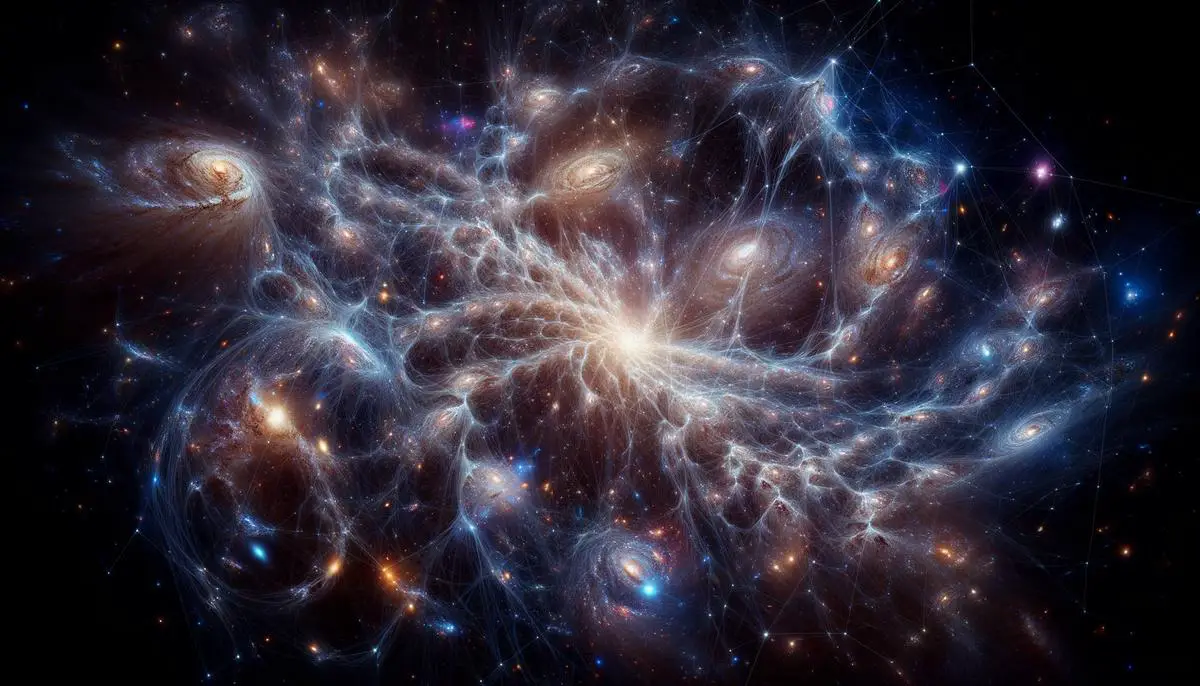
New Particle Detection Methods Dark matter, comprising 85% of all matter in the universe, remains an enigma. As we approach 2025, new developments hint at potential breakthroughs in its detection. One approach focuses on ultra-light bosons, hypothetical particles that might hold keys to the universe's secrets. Scientists from Stony Brook […]

Loading

Space Exploration

Mars Sample Return Challenge

Posted on:

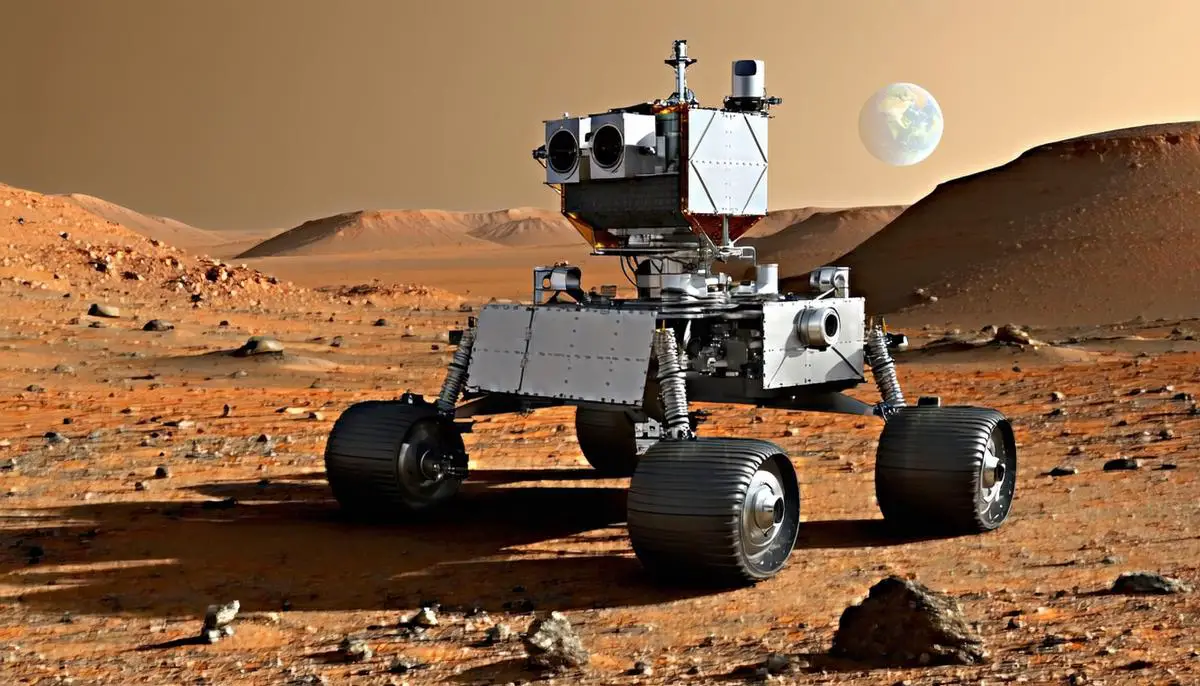
NASA's Mars Sample Return Mission Faces Challenges NASA's Mars Sample Return mission is grappling with significant hurdles: Administrator Bill Nelson deemed the timeline "unacceptable," stating: "This is way too expensive." The budgetary pressure has prompted a reevaluation of the mission's architecture to reduce both time and cost. The Independent Review […]

Loading

Skywatching

Solar Eclipses 2025

Posted on:

March 29, 2025 Partial Solar Eclipse On March 29, 2025, the Northern Hemisphere will experience a partial solar eclipse. Europe, Greenland, and parts of northeastern North America will be the primary locations to witness this spectacle. In Europe, observers can expect varying degrees of solar coverage: Across the Atlantic, a […]

Loading

Telescope

Webb’s Infrared Power

Posted on:

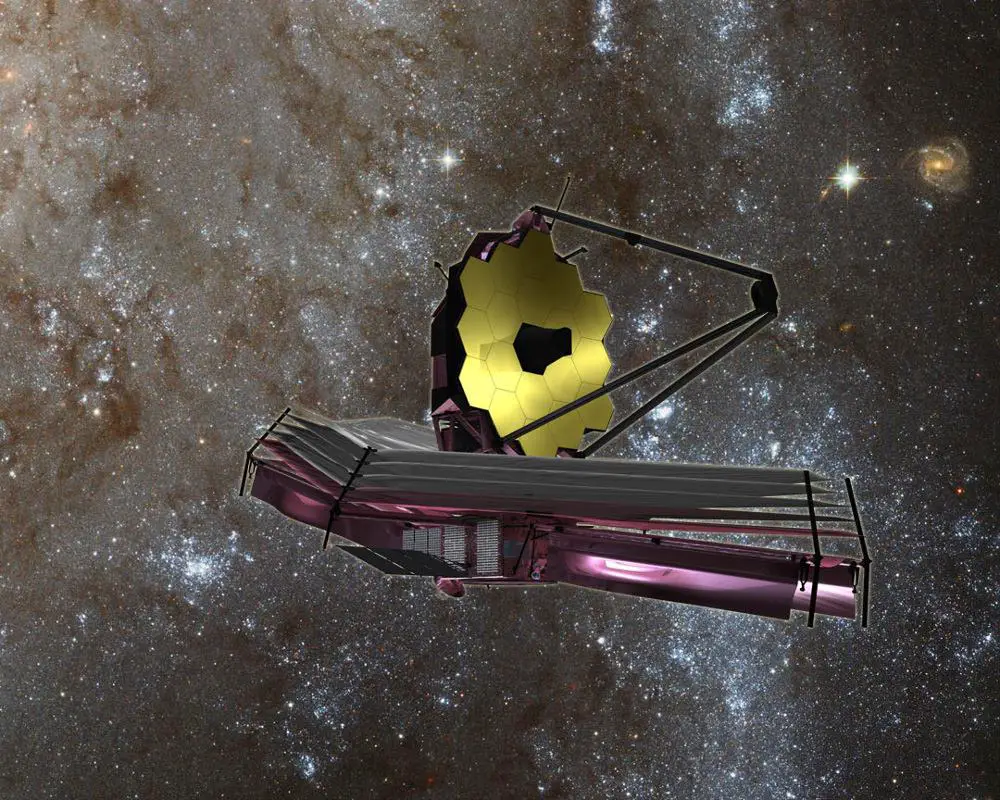
Beryllium Mirrors and Infrared Imaging The James Webb Space Telescope (JWST) utilizes advanced beryllium mirrors to capture high-resolution infrared images. The primary mirror, consisting of 18 hexagonal segments, spans 21.4 feet and is covered in a gold layer for optimal infrared reflection. Beryllium's unique properties make it ideal for space […]

Loading

Telescope

Webb Project Partnerships

Posted on:

International Collaboration The James Webb Space Telescope represents a milestone in international cooperation. NASA led the project in partnership with the European Space Agency (ESA) and the Canadian Space Agency (CSA). The ESA contributed the NIRSpec instrument and Ariane 5 rocket launch services, while the CSA provided the Fine Guidance […]

Loading

Space Exploration

James Webb Scientists

Posted on:

Early Universe Discoveries The James Webb Space Telescope (JWST) has uncovered galaxies that existed when the universe was approximately 300 million years old. Notably, galaxies GS-z14-0 and GS-z14-1 were detected using redshift techniques, allowing astronomers to examine the cosmic dawn period. GS-z14-0, observed as it was 290 million years after […]

Loading

Skywatching

Northern Hemisphere Constellations

Posted on:

Prominent Northern Constellations Ursa Major, known for the Big Dipper asterism, is a key northern constellation. The stars Merak and Dubhe in the Big Dipper point to Polaris, the North Star, in Ursa Minor. Polaris marks true north, historically crucial for navigation. Orion, the brightest constellation, features the distinctive Belt […]

Loading

Skywatching

Explore Night Sky Constellations

Posted on:

Understanding Circumpolar Constellations Ursa Major, known as the Big Bear, is a prominent year-round constellation in the northern sky. Its most recognized feature, the Big Dipper, consists of seven stars that form a celestial pointer. Tracing a line between the outer stars of the Dipper's bowl, Dubhe and Merak, leads […]

Loading

Telescope

JWST vs. Spitzer: Key Differences

Posted on:

Infrared Capability and Wavelength Range The James Webb Space Telescope (JWST) and the Spitzer Space Telescope represent significant advancements in exploring the cosmos with infrared technology. Spitzer examines infrared at shorter wavelengths, between 3 and 180 micrometers, revealing the universe's warm glow invisible to visible light. JWST surpasses its predecessor […]

Loading

Space Exploration

JWST Cost Analysis

Posted on:

Development and Construction Costs The James Webb Space Telescope (JWST) project experienced significant cost escalation from its initial $500 million estimate to a final price tag of $10 billion at launch. This increase was driven by several factors: These factors combined to make the JWST one of the most expensive […]

Loading